
Mastering Sports Broadcasting: Insights, Trends, and Best Practices
Understanding Sports Broadcasting
What is Sports Broadcasting?
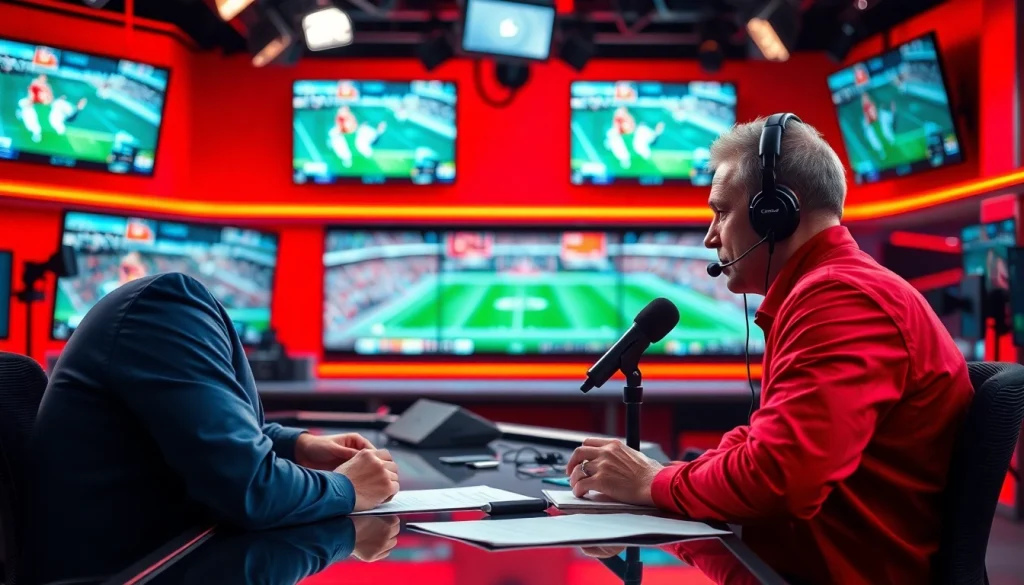
Sports broadcasting refers to the distribution of sports-related content through various media channels, including television, radio, and online platforms. It encompasses live telecasts of games, commentary, analysis, highlights, and other related content that gives fans access to their favorite sports. As a dynamic industry, it serves a vital role in bridging the gap between sports organizations and their audiences, enhancing the viewing experience with expert insights and a deeper understanding of the game. To explore more about the evolving nature of this field, visit Sports Broadcasting.
The Evolution of Sports Broadcasting
The landscape of sports broadcasting has undergone significant transformations since its inception. The journey began with radio broadcasts in the early 20th century, where sports events were relayed live, allowing fans to connect with their favorite teams from afar. The advent of television brought a new dimension, making sports accessible to a broader audience, and turning iconic moments into shared experiences.
As technology continued to evolve, so did sports broadcasting methods. The introduction of digital platforms and streaming services shifted the paradigm once again. Today, audiences can watch games live, catch replays, and access on-demand content anytime, anywhere, representing a profound shift in how sports content is consumed.
Key Players in Sports Broadcasting
The sports broadcasting ecosystem encompasses various stakeholders, each playing a critical role in the delivery and consumption of sports content. Key players include:
- Broadcast Networks: Established networks like ESPN, NBC Sports, and CBS Sports provide extensive coverage of major sporting events and leagues.
- Streaming Platforms: Services like Hulu, Amazon Prime Video, and dedicated sports apps offer live streaming and on-demand access, catering to the shifting preferences of modern viewers.
- Sports Organizations: Teams and leagues often partner with broadcasters to ensure their games reach the largest possible audience while also generating revenue through broadcasting rights.
- Advertising Agencies: They play a pivotal role in funding sports broadcasts, using commercial breaks to reach viewers during prime spots.
How Sports Broadcasting Works
Technology Behind Sports Broadcasting
The technological underpinning of sports broadcasting is vast and continually advancing. Broadcasters deploy various technologies, such as:
- Cameras: High-definition and specialized cameras capture live action from multiple angles, enhancing the viewer experience.
- Graphics Systems: These systems create real-time stats and player overlays, helping audiences better understand the game’s dynamics.
- Satellite and Transmission Technologies: These facilitate the smooth delivery of live feeds to viewers, enabling remote broadcasts from venues worldwide.
Broadcasting Formats Explained
Broadcasting formats have evolved to include multiple avenues for content delivery. These formats can be categorized as follows:
- Live Sports Events: The traditional format that captures and broadcasts games as they happen, fostering real-time engagement.
- Highlight Shows: Tailored summaries of the day’s games, focusing on key moments and analysis.
- Analysis and Commentary Shows: Programs dedicated to expert insights, in-depth discussions of strategies, and player evaluations.
- Podcasts and Online Content: Leveraging platforms for serialized content that audiences can engage with at their convenience.
Distribution Channels for Sports Broadcasting
Distribution channels for sports broadcasting have diversified, comprising:
- Broadcast Television: The traditional medium remains powerful, with millions tuning in for major events.
- Cable Networks: These specialized channels provide broader coverage of niche sports and localized events.
- Streaming Services: Growing rapidly, these services provide flexibility and access to on-demand content, attracting younger audiences.
- Social Media: Platforms like Twitter and Facebook facilitate real-time engagement, allowing users to discuss events as they unfold.
Challenges in Sports Broadcasting
Legal Issues and Licensing in Sports Broadcasting
Legal complexities often arise in sports broadcasting, predominantly concerning licensing agreements. Broadcasters must navigate contracts that determine how content can be used and distributed. Copyright infringement, regional broadcast rights, and the protection of intellectual property are critical considerations that require careful management to avoid legal disputes.
Viewer Engagement and Retention
A major challenge for sports broadcasters is maintaining viewer engagement amid a saturated media environment. The attention span of audiences has diminished, leading networks to innovate with interactive features, gamification elements, and personalized viewing experiences. Engaging viewers through social media and direct interaction during broadcasts becomes essential for retention.
Adapting to Technology Changes
The rapid advancement of technology poses both opportunities and challenges for sports broadcasting. As new technologies emerge, broadcasters must adapt quickly to integrate them into their offerings. This adaptation includes embracing high-definition broadcasts, 4K streaming, and virtual reality setups that enhance viewer experiences but require substantial investment and training.
Trends Shaping Sports Broadcasting
Streaming Services vs. Traditional Broadcast
The ongoing battle between streaming services and traditional broadcasting networks has fundamentally altered the sports broadcasting landscape. While traditional methods provide reliable access to major sports events, streaming services offer flexibility, on-demand content, and a tailored viewing experience. This shift forces traditional broadcasts to redefine their strategies to remain competitive, often leading to innovative partnerships and hybrid models.
The Role of Social Media in Sports Broadcasting
Social media has become a powerful tool for enhancing sports broadcasting, enabling real-time interactions among fans, networks, and athletes. From live-tweeting during games to digital content creation that captures behind-the-scenes moments, social platforms extend the reach of traditional broadcasts and foster a community around sports, strengthening fan loyalty.
Virtual Reality and Immersive Experiences
Advancements in virtual reality (VR) are set to revolutionize how sports are consumed. VR technology allows fans to experience games from the comfort of their homes, providing an immersive and engaging atmosphere. Broadcasters are exploring these possibilities, aiming to transport viewers into the middle of high-stakes events, making them feel as if they are part of the action.
Future of Sports Broadcasting
Predicted Innovations in Sports Broadcasting
Looking ahead, innovations in sports broadcasting are expected to focus on personalization and interactivity. With advancements in artificial intelligence and data analytics, broadcasters can tailor content to individual preferences, providing customized viewing experiences that cater to unique tastes. Expect more interactive features, including real-time stats, enhanced viewer participation, and gamification elements that engage audiences on a deeper level.
Expert Opinions on Next Steps
Experts emphasize the importance of adapting to changing viewer habits, particularly as younger audiences gravitate toward digital platforms. They recommend that broadcasters prioritize mobile access, build strategic partnerships with tech companies, and explore new data-driven storytelling to enhance engagement. Collaboration and innovation will be key in maintaining relevance in this evolving landscape.
Preparing for the Future of Sports Broadcasting
To prepare for the future of sports broadcasting, organizations must embrace a proactive approach to technological adaptation. Continuous training for staff, investments in cutting-edge technologies, and thorough market research will position broadcasters ahead of their competitors. Additionally, cultivating strong relationships with audiences through community-focused initiatives and transparent engagement will foster loyalty and facilitate growth in this competitive industry.
FAQs
What technology is used in sports broadcasting?
Modern sports broadcasting utilizes cameras, microphones, satellite feeds, and streaming technology to deliver live events.
How has streaming affected sports broadcasting?
Streaming platforms provide more on-demand options and reach wider audiences, often competing with traditional broadcasts.
What are common challenges in sports broadcasting?
Challenges include legal issues, audience engagement, technology shifts, and maintaining high production values.
How do I get into sports broadcasting?
Education in communications, internships, building experience, and networking in the industry are key paths into sports broadcasting.
What is the future of sports broadcasting?
The future will likely see increased interactivity, the use of VR, personalized content, and shifts in audience consumption habits.